Easy Korean Bibimbap: A Healthy Delight
Highlighted under: Healthy Kitchen Essentials
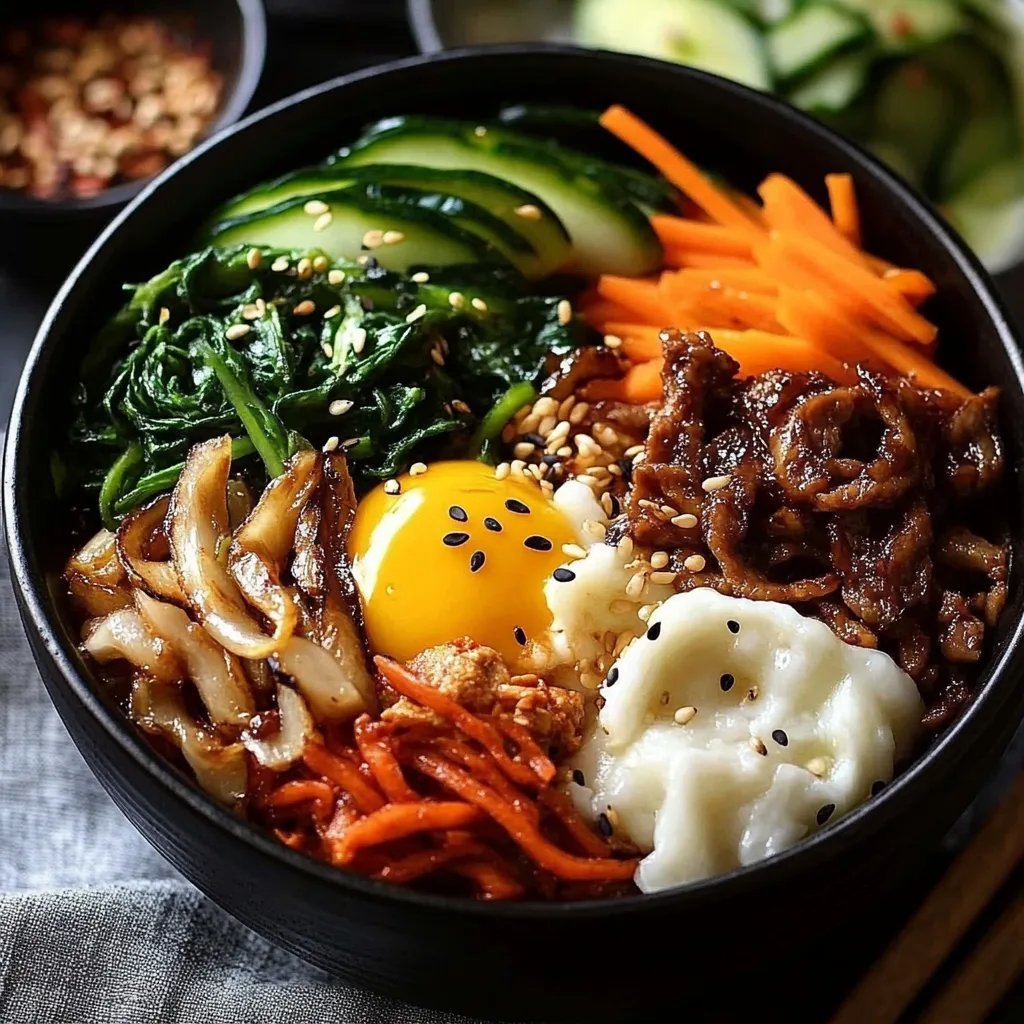
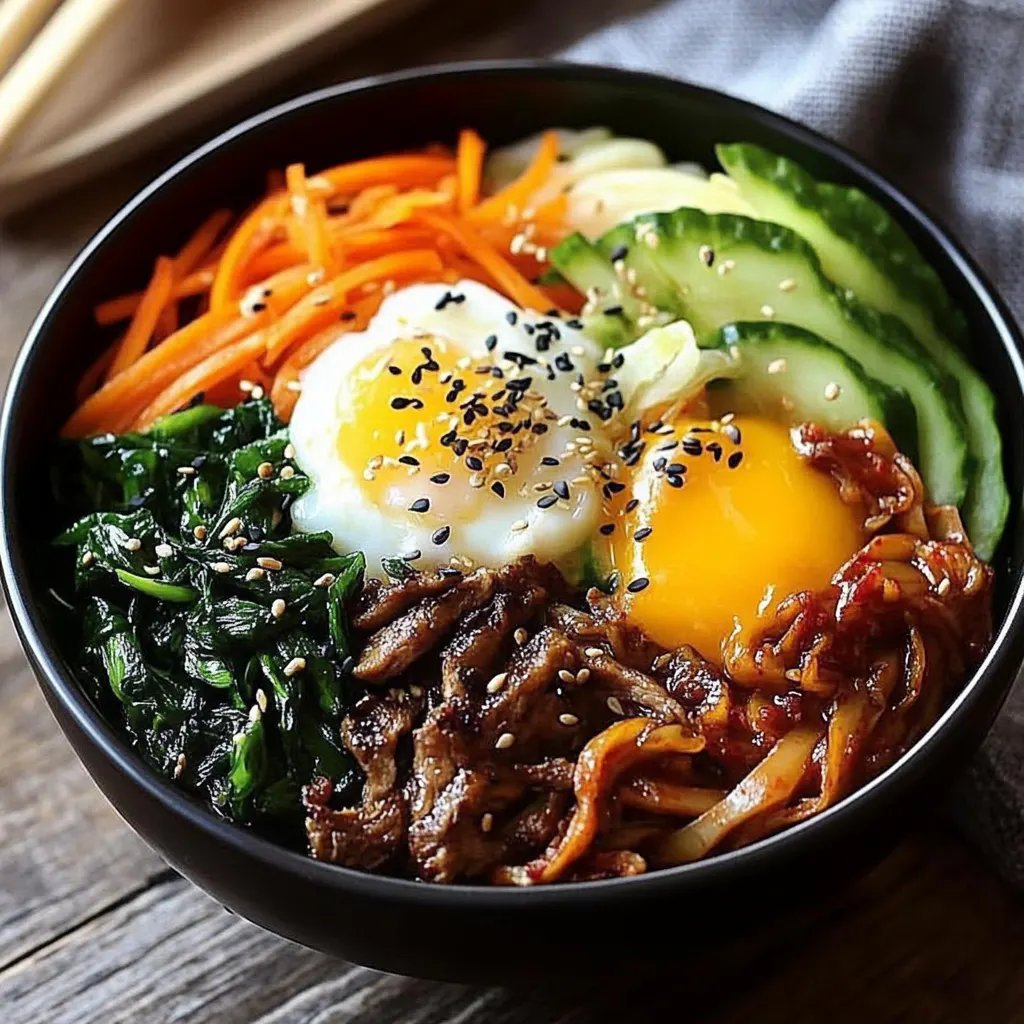
Elevate your dinner with this vibrant and nutritious Easy Korean Bibimbap recipe. Packed with colorful vegetables, protein, and flavorful gochujang sauce, this dish is a delightful fusion of textures and tastes. Whether you're a seasoned chef or a kitchen beginner, this simple yet satisfying meal is perfect for weeknight dinners or meal prep. Enjoy a wholesome bowl of goodness that is as beautiful as it is delicious!
This Easy Korean Bibimbap is not just a feast for the eyes but also a celebration of flavors and nutrients. Prepare to indulge in a healthy, homemade version that the whole family will love!
Why Bibimbap is a Nutritious Choice
Bibimbap is more than just a colorful dish; it's a nutritional powerhouse. Packed with a variety of vegetables, this Korean classic allows you to consume a wide range of vitamins and minerals in one meal. Spinach and carrots are rich in iron and beta-carotene, while mushrooms add flavor and antioxidants. By incorporating protein sources such as chicken or tofu, this dish caters to both meat lovers and vegetarians alike, ensuring everyone can enjoy a healthy and balanced meal.
The balance of carbohydrates, proteins, and fats in bibimbap makes it an excellent choice for any time of day. The rice serves as a great base, providing energy to keep you going. The gochujang sauce not only adds a delightful kick but also contains beneficial probiotics, especially when fermented. This makes bibimbap suitable for anyone looking to boost their immune system while indulging in a delicious feast.
Customization Options
One of the beauties of bibimbap is its versatility. You can easily modify the recipe to fit your preferences or dietary restrictions. For those who prefer a vegan option, simply replace chicken with additional tofu or tempeh, ensuring you still get a protein-rich meal. Similarly, swapping rice for quinoa or cauliflower rice can offer a gluten-free or lower-carb alternative that's just as satisfying.
Feel free to experiment with different vegetables based on seasonal availability or personal taste. Bok choy, zucchini, or even bell peppers can add exciting flavors and textures. You can also customize the spice level by adjusting the amount of gochujang in the sauce. This adaptability makes bibimbap a favorite among families, as everyone can have their bowl tailored to their liking.
Perfect for Meal Prep
Bibimbap makes a fantastic option for meal prepping due to its structure. Each component can be prepared ahead of time and stored separately in the refrigerator. This allows you to assemble a quick, nutritious meal during the busy workweek. Rice can be cooked in batches, and vegetables can be sautéed or blanched in advance. Moreover, the colorful presentation makes it a fun and enticing option to look forward to during your lunch hour.
When prepping, consider using mason jars or divided containers to keep the ingredients fresh and organized. Portions can be easily controlled, ensuring that you don't overindulge while providing you with a hearty dose of health. Just reheat your rice, assemble the ingredients, and drizzle in your signature gochujang sauce for a satisfying meal in minutes.
Ingredients
Vegetables and Protein
- 1 cup cooked rice
- 1 cup spinach, wilted
- 1 cup carrots, julienned
- 1 cup cucumber, thinly sliced
- 1 cup mushrooms, sautéed
- 1 egg, fried or poached
- 1/2 cup cooked chicken or tofu
Sauce
- 3 tablespoons gochujang
- 1 tablespoon sesame oil
- 1 tablespoon soy sauce
- 1 teaspoon sugar
Enjoy Your Ingredients!
Instructions
Prepare the rice
Cook the rice as per package instructions and set aside.
Cook the vegetables
Sauté mushrooms, wilt spinach, and julienne carrots and cucumber.
Fry the egg
Fry or poach the egg to your desired doneness.
Make the sauce
In a bowl, mix gochujang, sesame oil, soy sauce, and sugar.
Assemble the Bibimbap
In a bowl, layer the rice, vegetables, protein, and top with the fried egg. Drizzle with sauce.
Serve
Mix everything together before eating for a flavor-packed experience.
Enjoy Your Bibimbap!
Pro Tips
- For extra protein, you can add beef bulgogi or chickpeas. Adjust the spiciness of the gochujang to your taste.
Cooking Tips for a Successful Bibimbap
To achieve the best texture and flavor in your bibimbap, it’s crucial to properly cook each component. Start with the rice, as it should be fluffy and slightly sticky to hold the ingredients together. Using day-old rice can enhance the dish's overall texture, as it breaks apart less during cooking. When sautéing vegetables, take care not to overcook them; they should retain their crunch for a pleasantly varied bite.
Another tip is to get your frying pan hot before adding the egg for a crispy edge. If you prefer, cooking your egg sunny-side up allows for a lovely runny yolk that adds creaminess to each bite. Lastly, don’t forget to taste and adjust your sauce to suit your flavor preference. A well-balanced gochujang sauce can elevate your bibimbap from good to spectacular!
Storing Leftovers
If you find yourself with leftover bibimbap, the good news is that you can store it easily for future meals. However, to maintain the freshness of each ingredient, it's best to separate components before refrigerating. Store the rice, vegetables, and protein in airtight containers to avoid moisture loss. The gochujang sauce can be kept in its own jar.
When you're ready to enjoy the leftovers, you can reheat the rice gently in the microwave or on a stovetop, and then assemble your bibimbap as before. Mixing everything together right before eating will ensure a delightful and flavorful experience that captures the essence of fresh bibimbap.
Questions About Recipes
→ Can I use brown rice instead of white?
Absolutely! Brown rice adds extra fiber and is a healthier option.
→ Is bibimbap vegan?
You can make it vegan by omitting the egg and using tofu or more vegetables.
Easy Korean Bibimbap: A Healthy Delight
Created by: Chloe Bennett
Recipe Type: Healthy Kitchen Essentials
Skill Level: Easy
Final Quantity: 4 servings
What You'll Need
Vegetables and Protein
- 1 cup cooked rice
- 1 cup spinach, wilted
- 1 cup carrots, julienned
- 1 cup cucumber, thinly sliced
- 1 cup mushrooms, sautéed
- 1 egg, fried or poached
- 1/2 cup cooked chicken or tofu
Sauce
- 3 tablespoons gochujang
- 1 tablespoon sesame oil
- 1 tablespoon soy sauce
- 1 teaspoon sugar
How-To Steps
Cook the rice as per package instructions and set aside.
Sauté mushrooms, wilt spinach, and julienne carrots and cucumber.
Fry or poach the egg to your desired doneness.
In a bowl, mix gochujang, sesame oil, soy sauce, and sugar.
In a bowl, layer the rice, vegetables, protein, and top with the fried egg. Drizzle with sauce.
Mix everything together before eating for a flavor-packed experience.
Extra Tips
- For extra protein, you can add beef bulgogi or chickpeas. Adjust the spiciness of the gochujang to your taste.
Nutritional Breakdown (Per Serving)
- Protein: 20g
- Carbohydrates: 80g
- Fat: 15g